Muntahasidr honey
OriginThe Yemeni questionLab proofShopFAQ
Shop
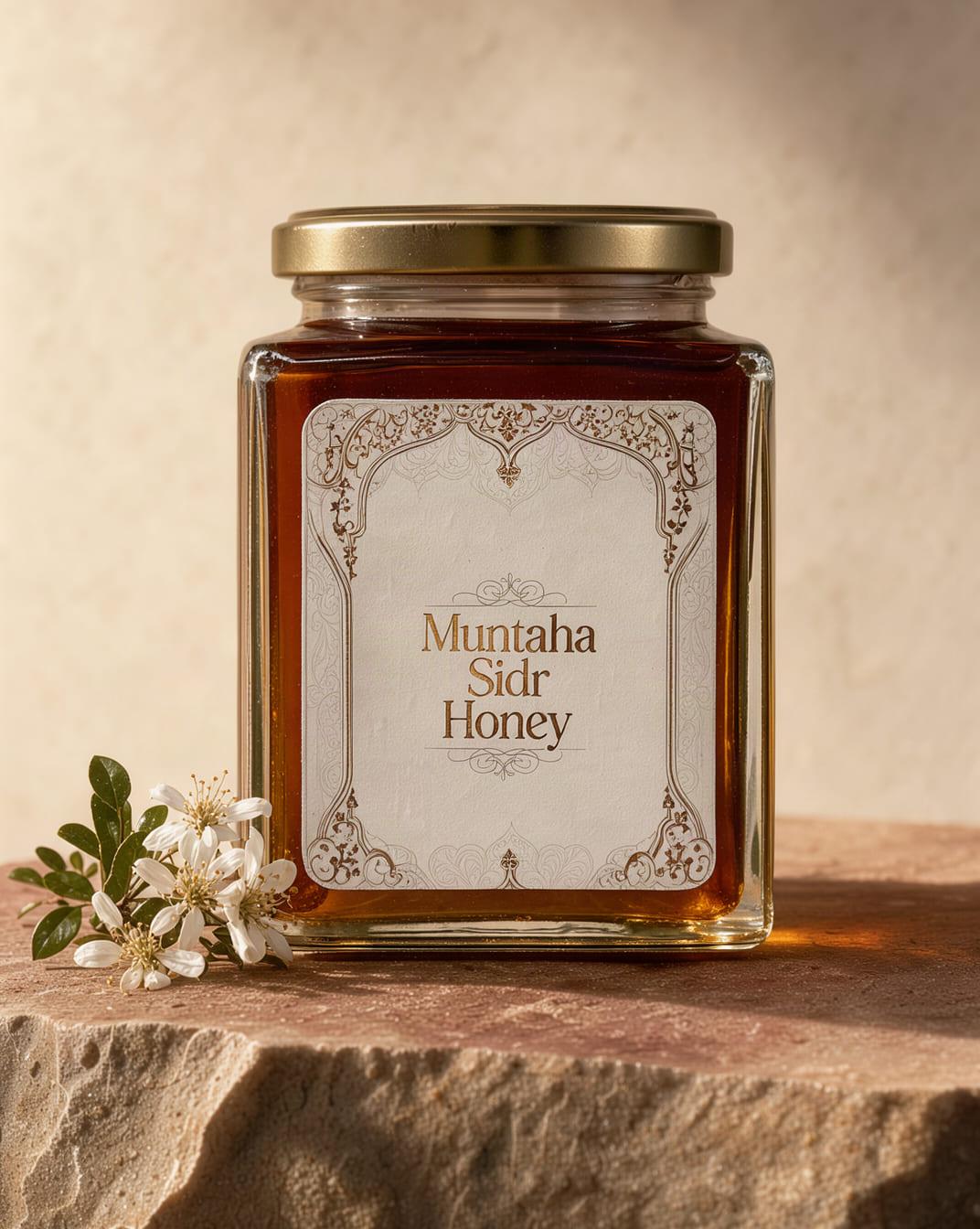
A square jar of dark amber Muntaha sidr honey on sandstone beside a sprig of white sidr blossom

The utmost honey.

Wild sidr honey from the beri forests of Karak, in Pakistan’s Khyber Pakhtunkhwa. One bloom a year, one batch, never blended, and tested by an independent lab before a single jar is sold.

Shop Batch 001, from $59See the lab results
  • Single origin

    Karak, Khyber Pakhtunkhwa

  • Lab-tested

    Every batch, before sale

  • Raw

    Extracted below 35°C

  • Packed in Australia

    Free shipping over $100

Sidrat al-Muntaha

the lote tree of the utmost boundary

The sidr is the tree that stands at the furthest boundary. Muntaha means the utmost. We took the name as our standard, from the bloom to your spoon.

A place you can name.

Karak sits in the dry hills of Khyber Pakhtunkhwa, where wild beri trees grow on sand, heat and patience. Rain-fed, never irrigated, far from farmland. For generations, Pakistani buyers have asked for Karak sidr by name.

JFMAMJJASONDSept–Octthe bloom

One bloom a year

The beri flowers in September and October. That single flowering is our single batch.

  • Rain-fed

    Wild trees, never irrigated

  • Below 35°C

    Cold-extracted, never heated

  • Never blended

    One origin in every jar

AfghanistanKhyberPakhtunkhwaPunjabIndusPeshawarIslamabadKarak33.07° N, 71.08° ETo Australia, 11,200 kmN69°E71°E73°E75°E31°N33°N35°N37°N
Karak, Khyber PakhtunkhwaBoundaries: geoBoundaries. Rivers: Natural Earth.
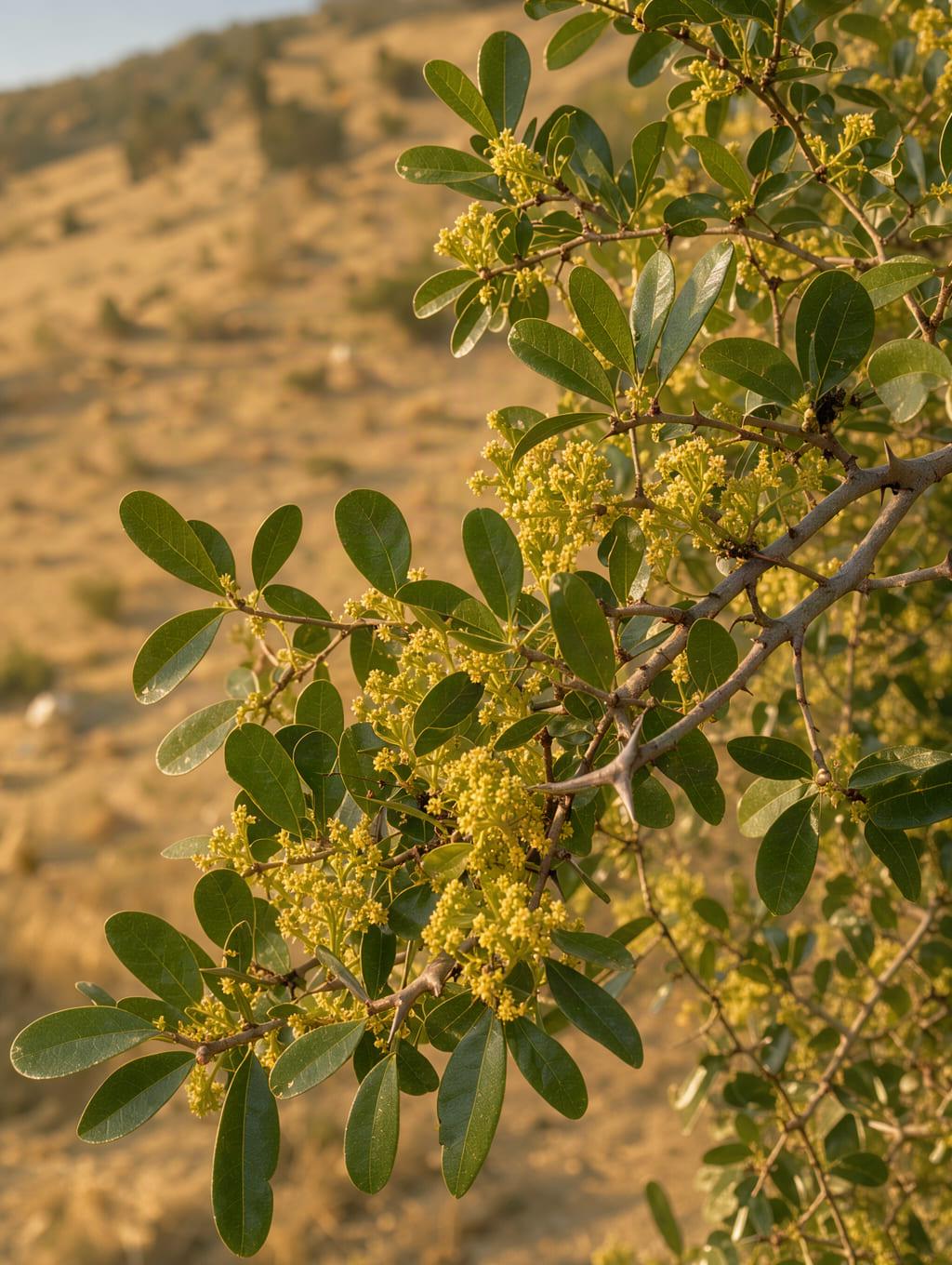
  1. A beri (Ziziphus) branch in flower on a dry, sunlit hillside

    01The tree

    Ziziphus mauritiana, the beri tree of Karak. A true sidr: the same genus as Yemen's Ziziphus spina-christi, shaped by Karak's own soil and sun.

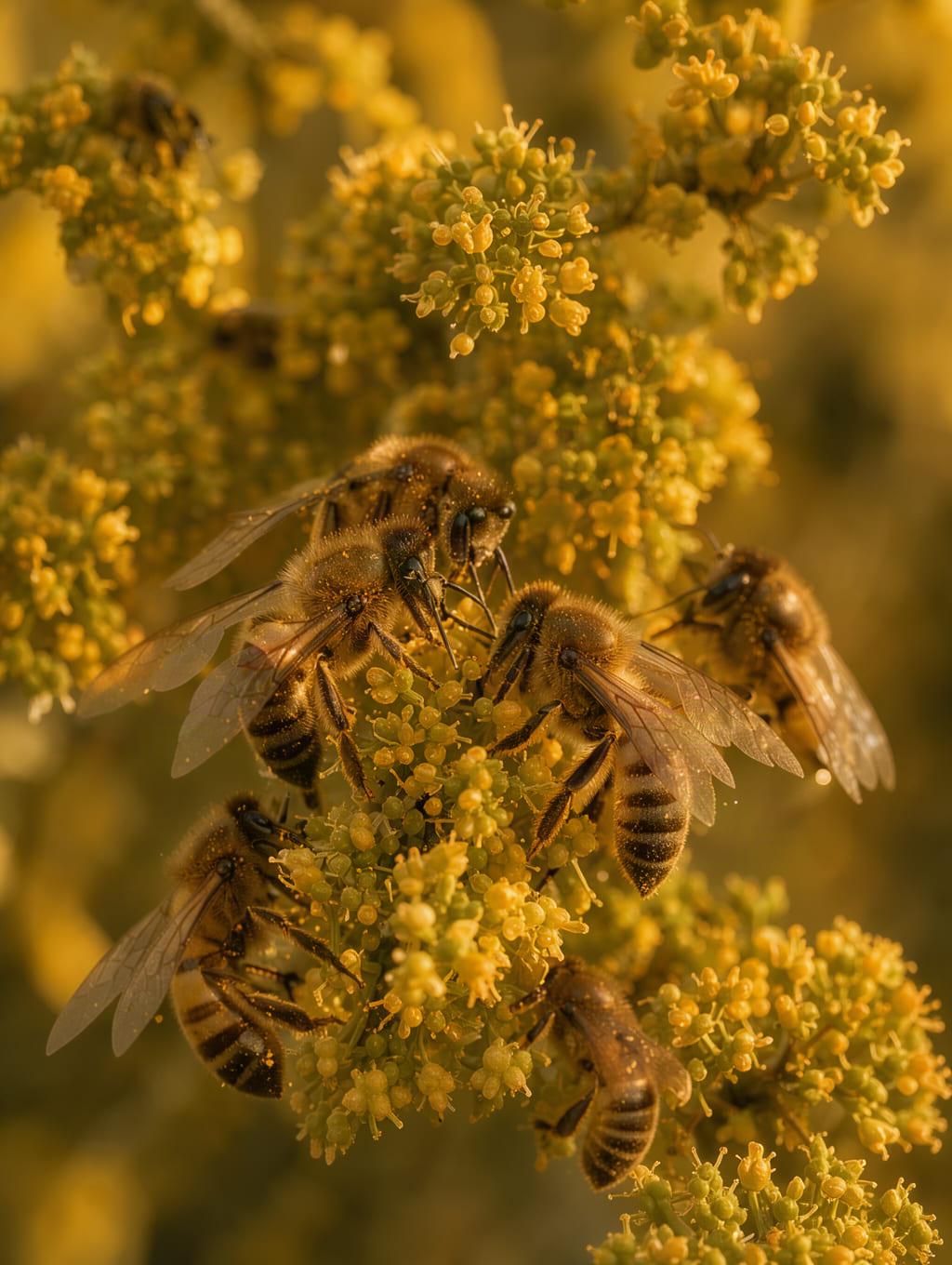
  2. Honeybees foraging on tiny yellow-green sidr flowers

    02The bloom

    It flowers once a year, in September and October. Our hives work this single flower, and that is our one batch.

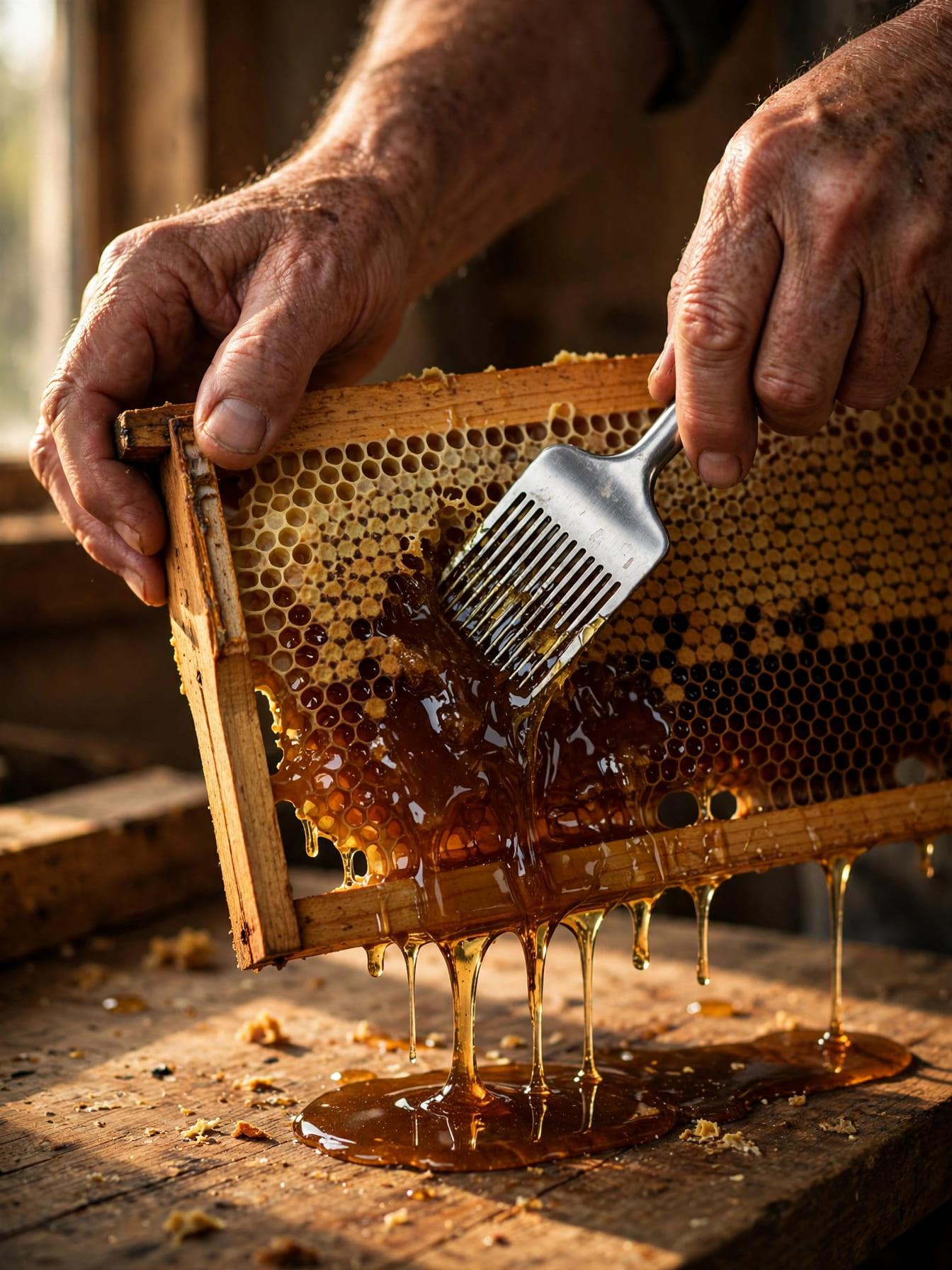
  3. Hands uncapping a frame of honeycomb as dark honey runs from the cells

    03The craft

    Capped comb only. Cold-extracted below 35°C, gravity-strained and jarred within 48 hours. No heat, no fine filtering, no blending.

Miss this batch and the next one is a year away.

Shop Batch 001

Everyone says Yemen. Ask why.

Sidr honey is named for the tree, not the country. Two species give the world its sidr, and they are not the same.

Fig. 1

Ziziphus spina-christi

Christ’s thorn jujube

Yemen and the Arabian peninsula

A famous region. Ask the seller for the batch report.

Fig. 2

Ziziphus mauritiana

Beri, or Indian jujube

Karak, Khyber Pakhtunkhwa

One named origin, one batch a year. The batch report comes in every box.

The tree makes it sidr. The evidence makes it exceptional.

Reputation isn’t a lab result. Colour, price and a famous region tell you nothing about what’s in a jar. Pollen counts, moisture, HMF and sugar tests do. We publish ours.

See our results

Every batch, on paper.

“Authentic” is a claim. A lab result is a fact. Each batch of Muntaha is tested by an independent laboratory, and the results travel with it.

Batch passport

Batch 001

Karak, Khyber Pakhtunkhwa

Origin
Karak
Laboratory
Pending
Tested
Pending
Laboratory results for Batch 001
Sidr pollenConfirms a monofloral sidr originPending
MoistureLow moisture means ripe, capped honeyPending
HMFFreshness marker; low means not overheatedPending
Added sugarsC4 and syrup screening for adulterationPending

Results are published here before the first jar ships.
MUNTAHA SIDR HONEY • KARAK • BATCH 001 •

Five questions to ask any seller

  • Where exactly is it from?

    A named place, not just a country.

  • Which batch is this jar?

    A batch number on every jar.

  • Can I see the results?

    Lab results for that batch.

  • Are the claims honest?

    No borrowed names, no health promises.

  • Will they answer me?

    A real person who replies.

Most jars can’t answer all five. Ours answers every one.

Shop with the proof

Choose your jar.

One harvest, one drum, three sizes, poured to order in Australia.

Batch 001Plenty left

1 kg jar (best value)

$19.90 per 100 g. Free shipping. Launch prices for Batch 001.

1
  • Free shipping

    On orders over $100, AusPost tracked

  • Secure checkout

    Paid through Stripe

  • Results in the box

    Batch results with every order

  • Broken in transit?

    Replaced free, no need to send it back

Know your honey.

Raw sidr changes on the shelf. None of it is a fault, and all of it is easy to live with.

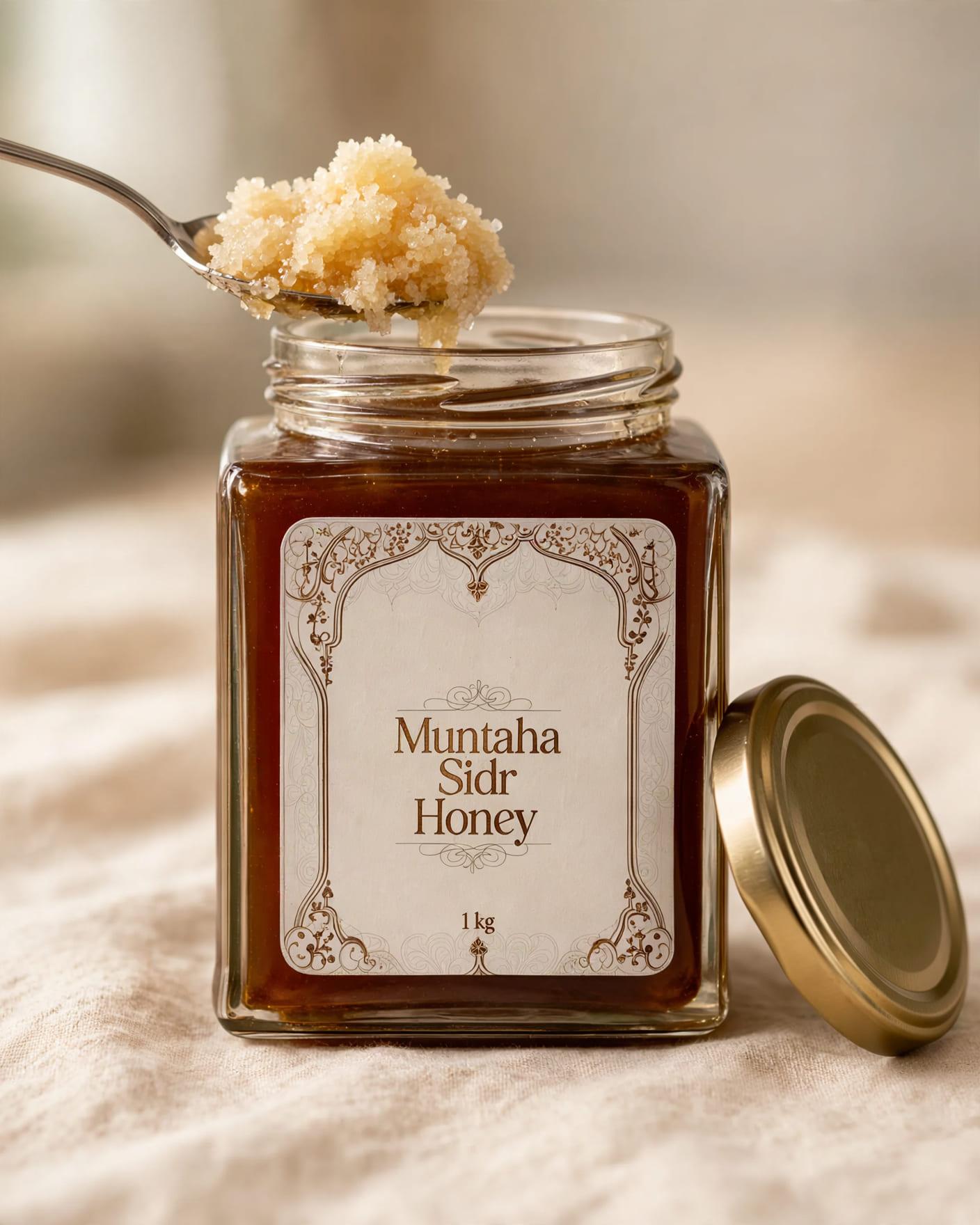
A spoon lifting naturally crystallised sidr honey from an open jar

Crystallisation is natural.

Raw honey slowly thickens and turns pale and opaque. Same honey, new texture: it means nothing was heated out of it.

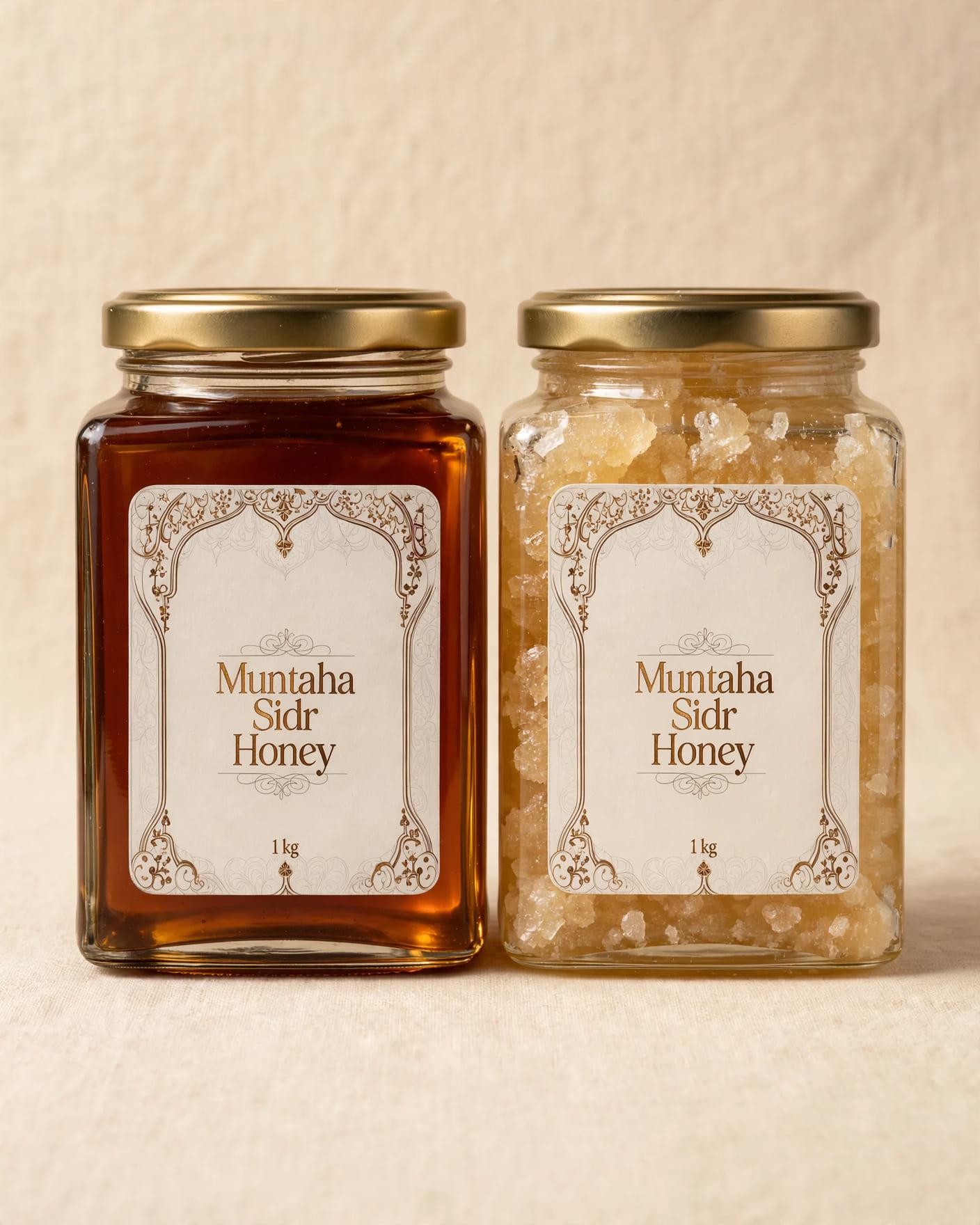
Two jars side by side, one runny amber, one crystallised pale gold

Two jars can differ.

Storage temperature decides how fast a jar sets, so two jars from one batch can look different on your shelf.

  • To soften it

    Stand the jar in warm water, below 40°C, until it runs again.

  • To store it

    Sealed, cool and dark. Skip the fridge: cold speeds up setting.

  • To judge it

    Colour isn’t evidence. Ask for the batch results.

  • To choose a size

    Compare the price per 100 g, then pick what you’ll use.

Asked, answered.

Something we haven’t covered? Write to hello@muntahasidr.com.

Is this the same as Yemeni sidr?

It's sidr, but not Yemeni, and we don't claim it is. Yemeni sidr comes mostly from Ziziphus spina-christi; ours comes from Ziziphus mauritiana, the beri tree of Karak. Same genus, different species and soil, so it has its own character. We publish our own batch tests instead.

Why only one batch a year?

The sidr flowers once, in September–October; when it's gone, it's gone until next year.

How do I know it's real sidr?

Pollen analysis per batch; certificate included.

Is it raw?

Cold-extracted below 35°C, coarse-strained, never heated or blended.

Why has my honey crystallised?

Crystallisation is natural, not a defect. To soften it, stand the jar in warm water below 40°C.

Where do you ship, and what does it cost?

Australia only, AusPost tracked. Free over $100, otherwise $10 flat. Retail-packed in Australia.

Does it pass Australian import rules?

Australian biosecurity compliance — published at launch

What's your refund policy?

Arrived broken or leaking? Send us a photo and we replace it free, no need to post it back. A quality problem? You choose a refund or a replacement. Opened jars can't be returned for change of mind. Full policy at /refund-policy.

Read the full policy
How much is left?

Batch 001 is a single harvest. The gauge in the shop shows how much is left, and once it’s gone the next harvest is a year away.

The utmost nectar.

Batch 001 is one September bloom from Karak. When it’s gone, the next one is a year away.

Choose your jar

Batch 001: Plenty left

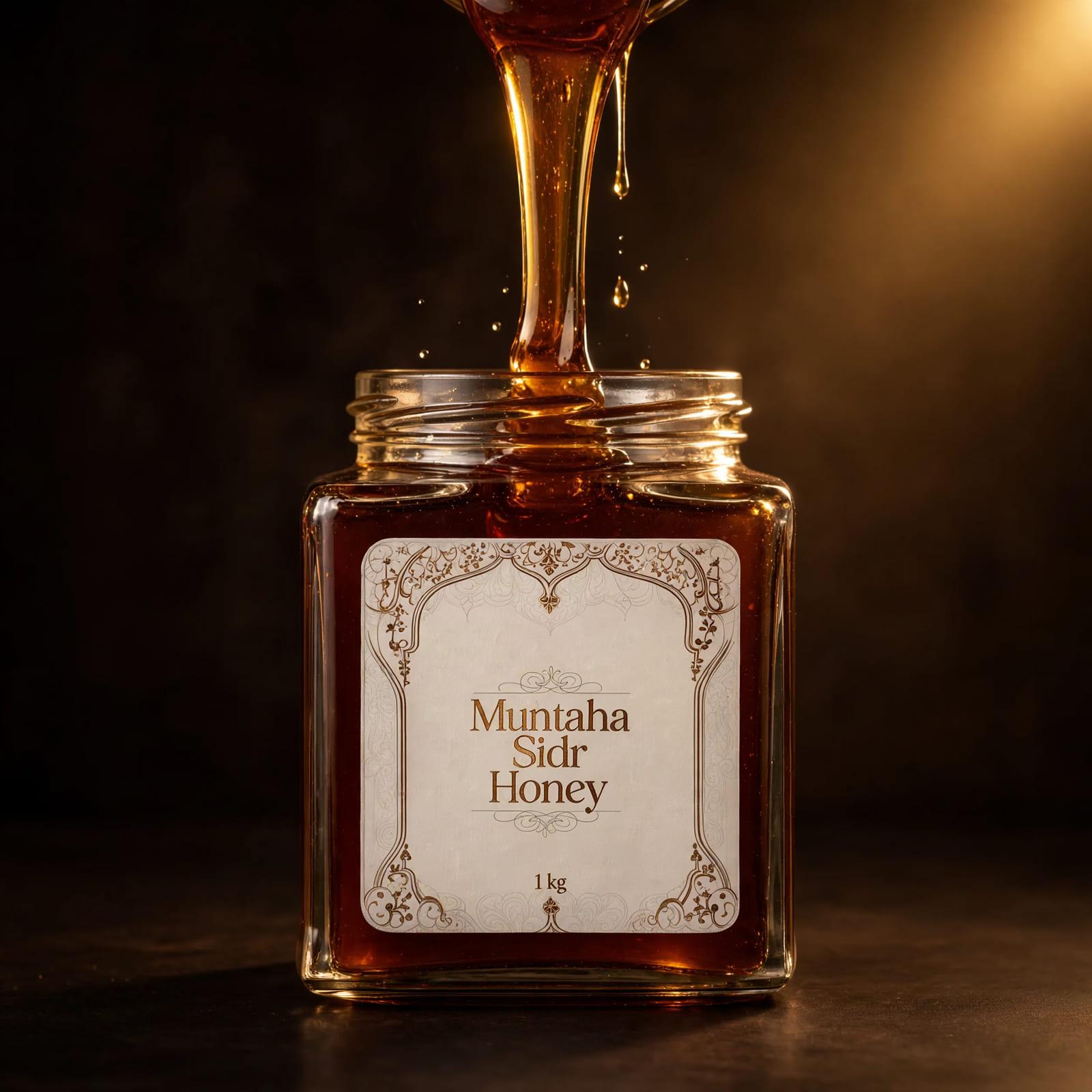
A ribbon of dark honey pouring into an open jar, lit gold against a dark background

Muntaha

sidr honey

The utmost nectar.

hello@muntahasidr.com
  • Origin
  • The Yemeni question
  • Lab proof
  • Shop
  • FAQ
  • Privacy
  • Terms
  • Shipping
  • Refunds

© 2026 Muntaha Sidr Honey. Harvested in Karak, Pakistan. Packed in Australia.

Muntaha Sidr Honey

Your jars

Your cart is empty.

Choose a jar